Pigmentation removal
Prices from £250
Reveal Your Radiant Skin – Remove Sun Spots, Freckles & More
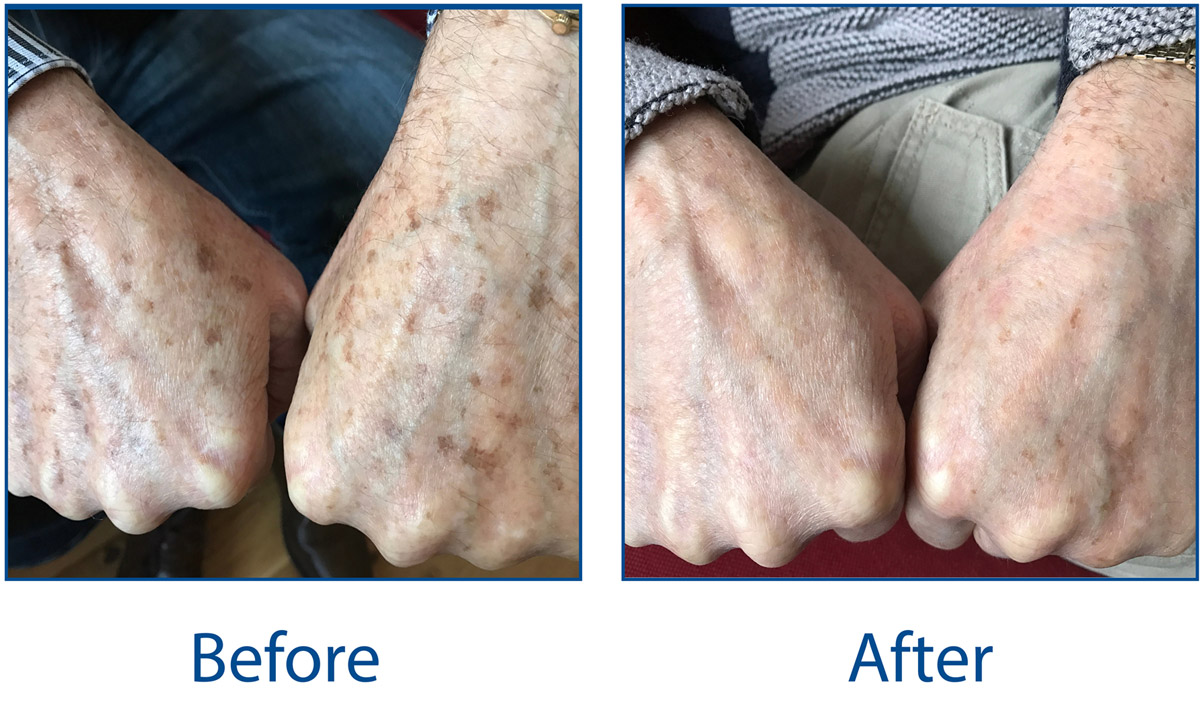
Say goodbye to uneven skin tone, freckles, and age spots. Our EXCELIGHT™ IPL (Intense Pulsed Light) pigmentation removal treatment is a safe, non-invasive way to visibly improve your complexion and restore youthful luminosity.
Whether you’re concerned about sun damage, age-related pigmentation, or hormonal changes like melasma, this treatment reduces excess pigmentation on the face and body, leaving your skin brighter, smoother, and more even.
How it Works
IPL delivers targeted light energy deep into the skin, breaking down pigmented lesions without harming surrounding tissue. Most clients see improvements after just 1–3 sessions.
Suitable for you if:
• You want a more even skin tone
• You want to reduce areas of excess freckling
• You want to target specific age spots or sun damage
Why choose Bristol Aesthetics?
We use state-of-the-art EXCELIGHT™ technology from Lynton Lasers – the UK’s No.1 laser manufacturer and NHS-approved supplier. Our team is fully trained in advanced laser and IPL protocols, ensuring safe and highly effective results.
Book your consultation today and reveal the glowing, even-toned skin you deserve.
Frequently Asked Questions
Light is released in short pulses that are readily absorbed by the high concentration of melanin found within pigmented lesions. The rapid absorption of light energy heats the melanin and causes the destruction of the melanin-rich cells.
The light applicator is placed on the skin and a short pulse of light is released. The applicator is then moved to the neighbouring area and the process is repeated until the entire area is treated. During treatment protective eye wear will be provided.
Most people are suitable for treatment except for very dark skinned or tanned individuals. However, large, dark, mottled or raised pigmentation cannot be treated and may need to be checked by a dermatologist. Large, dark moles should not be treated, nor should lesions covering a large part of the body. The pigmented marks that respond the best are superficial lesions such as those caused by sun damage (sun spots) and freckles.
Most patients describe the discomfort as mild and tolerable and no anaesthesia is required.
The treated area may feel warm and sensitive for the first few days post treatment. The lesions may darken and may appear more obvious before they fade and ‘flake’ away. Sometimes an initial whitening of the area is seen which quickly fades and the pigment gradually fades over the following few weeks.
The length of each treatment will depend on the type and size of lesion present, but a typical session will take 10 to 30 minutes.
The skin that surrounds the pigmented lesion may become red immediately after treatment. Most people experience no other side effects and the redness usually disappears within hours to a few days. Very rarely a small blister may form or the skin may become temporarily lighter or darker.
The number of treatments will depend on the type and size of the pigmented lesion but typically 1 to 3 sessions are required at 4 to 6 week intervals.
Prior to treatment you must first undergo a consultation where details about your medical history are obtained in order to confirm suitability. Before proceeding you will be asked to sign a consent form and undergo a test patch.